
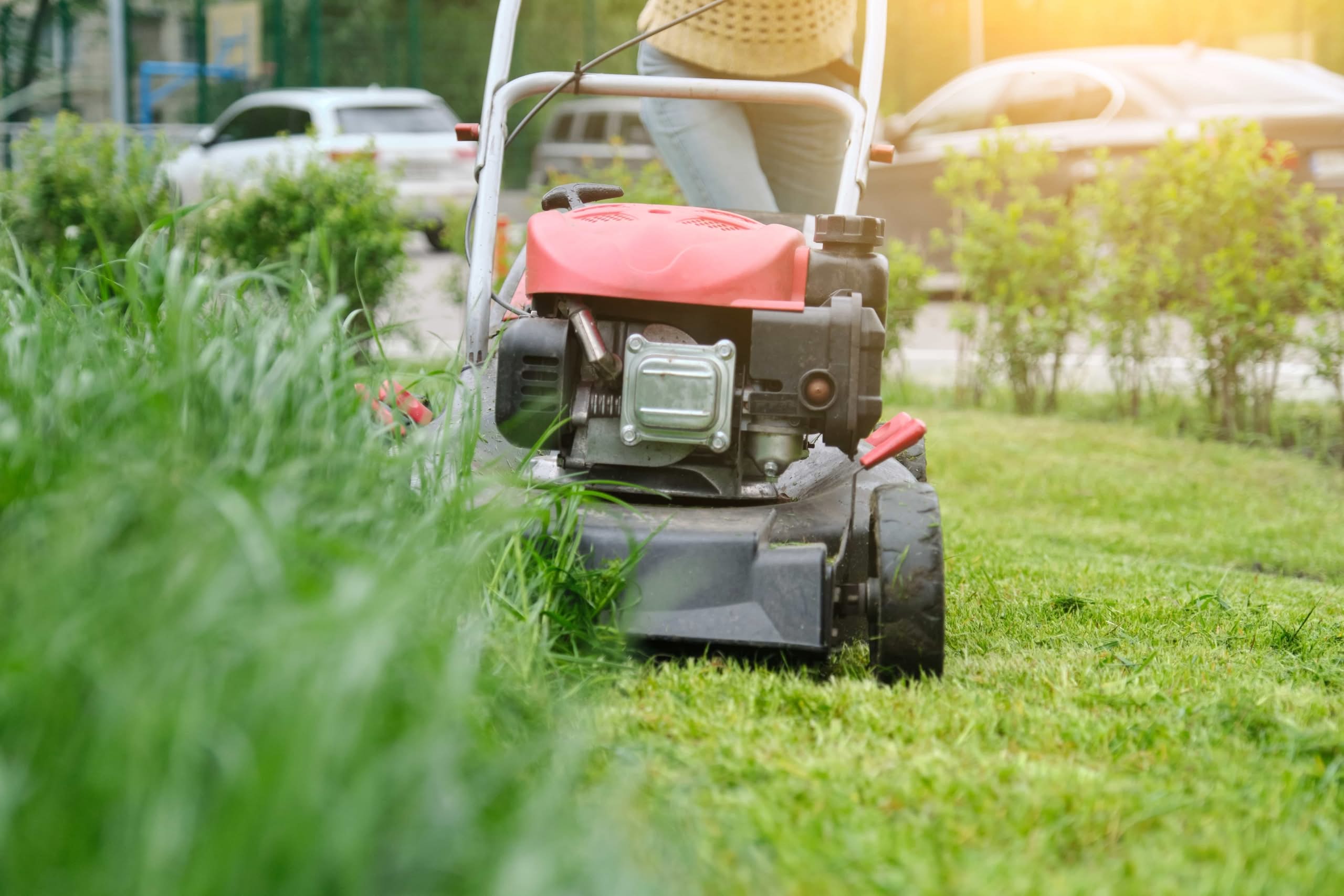
Summer Lawn Mowing Guide: The Ultimate Proven Strategy for Property Managers
A proper summer lawn mowing guide ensures commercial turf survives extreme heat by maintaining a strict 3.5-inch cut height, rotating heavy machinery patterns weekly, and exclusively using precision-sharpened blades. For commercial property managers, June represents a critical, high-stakes window for exterior landscape preservation. While internal mechanical systems like HVAC often take center stage when temperatures climb, your commercial turf—one of your most valuable and visible assets—is quietly enduring severe environmental stress.
Implementing a proactive commercial turf maintenance strategy is not merely a matter of basic aesthetic charm. It is a fundamental pillar of professional property risk management and premium brand presentation. When seasonal heat spikes, the structural stakes for your landscape rise right along with them.
This guide provides an expert look into the mechanics of turf health, the financial realities of proactive care, and why bypassing DIY attempts in favor of commercial-grade operations is vital this season.
📌 Key Takeaways
Never scalp the turf: Maintain a minimum height of 3.5 inches to shield the root system from 140°F surface temperatures.
Rotate mowing patterns weekly: Prevent sub-surface soil compaction and deep rutting by changing machinery directions every cut.
Use razor-sharp blades: Eliminate shredded grass tips to stop rapid moisture loss and block deadly turf pathogens.
Mitigate liability: Utilize insured professional crews to protect against projectile hazards and property damage.
Protect your budget: Prevent multi-thousand dollar landscape restorations by investing in proactive, calculated summer maintenance.
Table of Contents
The Science of Summer Turf
The Financial Reality of DIY Mowing
Mowing Strategy #1: The Critical 3-Inch Cut Height
Mowing Strategy #2: Blade Sharpness & Pathogens
Mowing Strategy #3: Traffic Patterns & Soil Compaction
Mowing Strategy #4: Safety & Liability Compliance
DIY vs. Professional Landscaping
Frequently Asked Questions
Conclusion
The Science of Summer Turf: Why June Heat Changes Everything
Quick Answer: June’s intense solar radiation causes rapid moisture evaporation in grass, leading to physiological shock. Understanding turf biology allows property managers to adjust mowing frequencies to prevent heat stress and root death.
To manage a living commercial asset effectively, you must first understand its underlying biology. A commercial lawn is a complex ecosystem of thousands of individual cool-season grass plants or warm-season varieties that respond dynamically to heat, moisture, and mechanical stress.
The Impact of Solar Radiation and Thermal Stress
During the long days of June, solar radiation reaches its annual peak. Unfiltered ultraviolet rays bake the soil surface, triggering rapid moisture evaporation. This accelerates transpiration within the grass blades. When turf is subjected to improper cutting frequencies during this window, it enters a state of physiological shock.
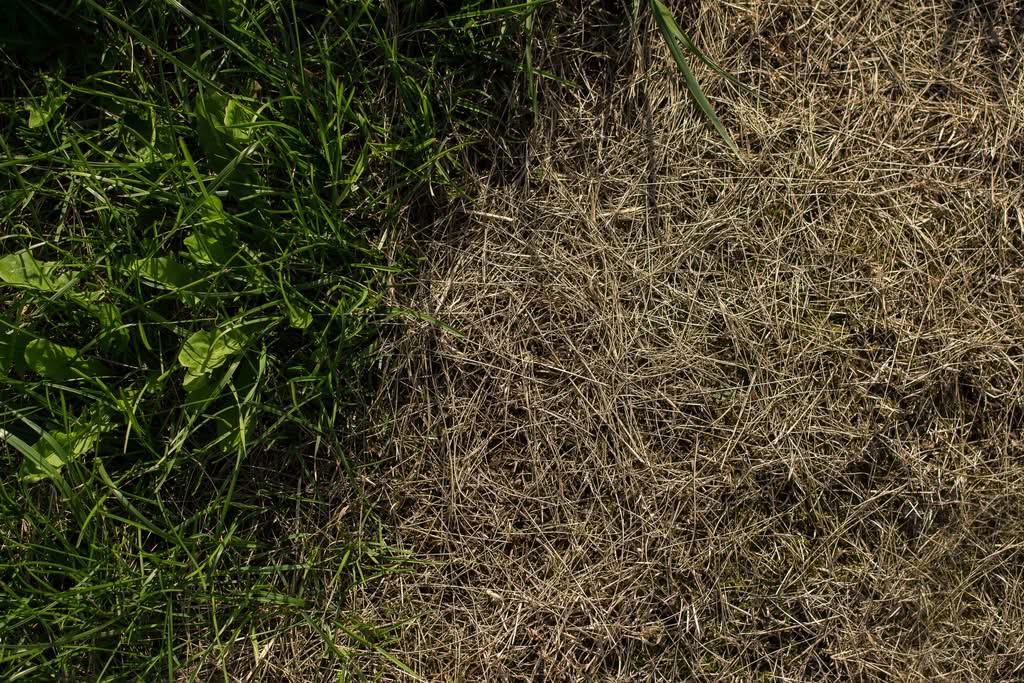
When a once-vibrant, deep-green lawn begins to turn a patchy, straw-like brown, it is experiencing severe thermal stress. This physical manifestation means the grass plant’s root system is shutting down. Without proper cellular health, widespread weed encroachment and permanent turf death are inevitable.
Root-to-Blade Proportions and Extreme Heat
Soil biology dictates that a grass plant’s root depth is directly proportional to its blade height. When a lawn is chopped too short, the plant redirects all its stored carbohydrates away from root development to regrow its photosynthetic blades.
In unshaded commercial zones, bare soil temperatures can quickly soar past 140°F. If the turf canopy is cut too low, the sun bakes the root zone and vaporizes vital microbiomes. A professional mowing program maintains a dense canopy that shields the soil and lowers ambient root temperatures.
📊 Data Point: According to the Penn State College of Agricultural Sciences, raising the mowing height during peak summer stress periods directly increases root mass, allowing the turf to access deeper groundwater reserves and survive extended droughts.
The Financial Reality: Why DIY Property Mowing is a Multi-Thousand Dollar Mistake
Quick Answer: DIY property mowing often results in scalped turf, weed infestations, and costly soil renovations, ultimately costing up to 40% more than investing in a proactive, professional maintenance contract.
Every property capital expenditure must be strictly justified by its Return on Investment. In commercial real estate asset management, treating lawn care as an in-house task is a prime example of being penny-wise and pound-foolish.
Pavement and Landscape Life-Cycle Comparison
Consider a typical 5-acre commercial property evaluated over a multi-year operational horizon. Proactive asset maintenance by certified professionals adds tangible equity during property appraisals.
| Operations Metric | Scenario A: In-House DIY Approach | Scenario B: Professional Strategy |
| Initial Strategy | Neglects biological rules; uses retail mowers. | Follows a strict summer lawn mowing guide. |
| Mid-Season Condition | Scalped turf; failed roots; heavy crabgrass. | Thick canopy intact; deep roots. |
| Required Action | Costly aeration, top-dressing, chemical fixes. | Scheduled cuts, clean edging, mulching. |
| Total Annual Cost | Extremely High (Capital Deficit + Depreciation) | Saved up to 40% in landscape restoration. |
Mowing Strategy #1: Maintaining the Critical 3-Inch Cut Height
Quick Answer: The golden rule of summer turf care is the One-Third Rule—never remove more than one-third of the grass blade height in a single cut to prevent scalping and protect the plant’s food-producing structure.
When an untrained worker skips a week of mowing and chops a 6-inch lawn down to 2 inches, they are “scalping” the asset. This aggressive removal strips the plant of its primary food source.
The Professional Protocol vs. The DIY Myth
Many property managers believe that cutting grass as short as possible saves money by extending the time between cuts. Scalping actually destroys the lawn’s density, creating open voids where opportunistic weeds rapidly germinate.
Our commercial landscape care teams utilize a strict, calculated approach:
Precision Deck Adjustments: Industrial mowers are locked into a 3.5 to 4-inch height profile throughout the summer.
Consistent Rotational Scheduling: Mowing frequencies are dynamically adjusted based on weather patterns.
Calculated Nutrient Cycling: Fine clippings are mulched back into the turf matrix to return vital nitrogen.
⚠️ Common Mistake: Bagging grass clippings in the summer removes free, naturally occurring nitrogen from your soil. Unless the grass is suffering from a fungal disease, clippings should be finely mulched and returned to the earth.
Mowing Strategy #2: Blade Sharpness and Pathogen Prevention
Quick Answer: Dull mower blades tear and shred grass, leaving frayed tips that rapidly lose moisture and invite deadly turf diseases like Dollar Spot and Brown Patch.
A lawn mower blade is a surgical instrument for your property’s landscape. When DIY operations use unmaintained equipment, they cause massive biological damage to the grass that costs thousands to fix.
The Danger of Shredded Grass Blades
A dull blade violently tears and smashes through plant tissue. You can spot a poorly managed property by the white, frayed tips of the grass blades.
The Dull Blade Vector: Tear ──> Frayed Tissue ──> Moisture Loss & Disease Ingress
The Sharp Blade Vector: Clean Cut ──> Cellular Seal ──> Rapid Recovery & Green Color
These ragged wounds leave internal plant tissue exposed for days. Commercial landscape teams balance blade physics daily. At Lot Patrols, our industrial mower blades are inspected, balanced, and sharpened daily to ensure a clean seal that locks in precious moisture.
✅ Quick Tip: If your lawn has a silvery or white sheen 24 hours after mowing, stop immediately. Your blades are dull and are actively damaging your turf’s cellular structure.
Mowing Strategy #3: Heavy Machinery Traffic Patterns and Soil Compaction
Quick Answer: Running heavy zero-turn mowers over the exact same paths weekly compresses the soil, destroying root oxygen access. Professional crews rotate cutting patterns by 45 to 90 degrees every week.
A major hidden risk of DIY lawn maintenance is the long-term destruction of the underlying soil structure. This occurs when heavy machinery moves in repetitive patterns.
The Threat of Sub-Surface Soil Compaction
When the same individual operates a heavy zero-turn mower over the exact same paths, the weight compresses air and water pockets out of the soil profile. This sub-surface soil compaction acts like solid concrete. Roots cannot penetrate it, and water simply runs off the surface.
Advanced Rotational Mowing Patterns
Professional mowing crews actively rotate their cutting grids every single week to spread out wheel loads:
Week 1: East-to-West Linear Strips
Week 2: North-to-South Linear Strips
Week 3: Diagonal 45-Degree Left-to-Right Strips
Week 4: Diagonal 45-Degree Right-to-Left Strips
This completely prevents deep rutting along curb lines and forces grass to grow upright.
Mowing Strategy #4: Safety, Liability, and Strict Property Compliance
Quick Answer: Commercial mowing involves serious operational risks, including high-velocity projectile hazards. Hiring an insured, professional landscaping firm legally insulates your property from accidents and injuries.
Deploying untrained staff puts your entire organization at risk for legal and financial liability. The hazards go far beyond a standard residential backyard.
High-Velocity Projectile Hazards
Commercial properties hide hazards like rocks, irrigation heads, and tree debris. An industrial mower blade spinning at 18,000 feet per minute turns a small piece of gravel into a deadly projectile. A rogue stone can shatter a tenant’s storefront window or injure a pedestrian.
When you hire an insured professional group, you transfer this operational risk entirely. To learn more about workplace safety and landscaping risk management standards, review the official guidelines provided by the Occupational Safety and Health Administration (OSHA).
Why DIY Lawn Maintenance is a High-Risk Gamble for Commercial Facilities
Quick Answer: In-house janitorial teams lack the agronomic training, commercial equipment, and liability insurance required to safely and effectively maintain a commercial landscape during the brutal summer months.
In an effort to trim quarterly operational expenses, some property managers deploy internal janitorial crews to handle mowing. This high-risk gamble almost always backfires.
💡 Expert Insight: “In my fifteen years of commercial property management, I’ve seen improper DIY mowing fail quickly. When untrained staff scalp wet grass, heavy clumps rot on the surface. Worse, wet clippings get tracked onto expensive tenant carpets, forcing you to pay double for indoor remediation and outdoor turf restoration.”
Let’s look at how in-house DIY efforts stack up:
| Operations Metric | Professional Lot Patrols Management | DIY / In-House Maintenance |
| Machinery Used | Industrial mowers with fine mulching decks. | Retail-grade residential mowers. |
| Blade Care | Daily precision sharpening and balancing. | Monthly or annual sharpening. |
| Operator Skill | Certified turf technicians trained in biology. | General laborers with no turf training. |
| Curb Appeal | Crisp, clean lines; zero tracking; clean edges. | Frayed tips, brown patches, dirty walkways. |
Frequently Asked Questions
How short should commercial grass be cut in the summer?
During the summer, commercial grass should never be cut shorter than 3.5 to 4 inches. Maintaining a taller grass canopy shades the soil surface, prevents extreme moisture evaporation, and protects the root system from thermal shock during heatwaves.
Why is my commercial lawn turning brown in June?
A lawn turning brown in June is typically experiencing severe thermal and drought stress, or it has been scalped by improper mowing. When grass is cut too short, it cannot photosynthesize properly, causing the plant to go dormant or die off completely.
Does following a summer lawn mowing guide actually save money?
Yes, adhering to a professional summer lawn mowing guide prevents costly mid-season renovations. By avoiding scalping, soil compaction, and turf diseases, property managers save thousands of dollars that would otherwise be spent on weed remediation and overseeding.
What is the One-Third Rule in lawn mowing?
The One-Third Rule states that you should never remove more than one-third of the total grass blade height in a single mowing session. Removing more than this causes physiological shock, forcing the plant to abandon root growth to repair its blades.
Is leaving grass clippings on the lawn bad for commercial properties?
No, leaving finely mulched clippings on the lawn is highly beneficial. Known as “grasscycling”, this process naturally returns essential nitrogen and moisture to the soil ecosystem, provided the clippings are not left in large, heavy clumps that smother the turf.
Conclusion: Partner with the Professionals at Lot Patrols
June represents a narrow, critical window of physical opportunity. A strictly followed summer lawn mowing guide allows property managers to take proactive steps today that will significantly reduce emergency landscaping expenses tomorrow. By maintaining proper blade height, rotating heavy machinery, and ensuring surgical blade sharpness, you protect your most visible physical asset from seasonal collapse.
Managing a complex commercial property profile is difficult enough without the added stress of failing curb appeal. At Lot Patrols, we specialize in providing worry-free commercial grounds maintenance solutions tailored to withstand brutal environmental demands.
To ensure your property stands strong all summer long, follow these next steps:
Audit your current landscape: Walk your property today to check for shredded grass tips or signs of thermal stress.
Review your maintenance strategy: Determine if your current property maintenance strategies include daily blade sharpening and weekly pattern rotation.
Contact the experts: Reach out to the Lot Patrols team for a comprehensive, professional landscape assessment.
Don’t let the intense summer heat degrade your asset’s value. Secure your commercial property’s aesthetic and structural integrity today.