
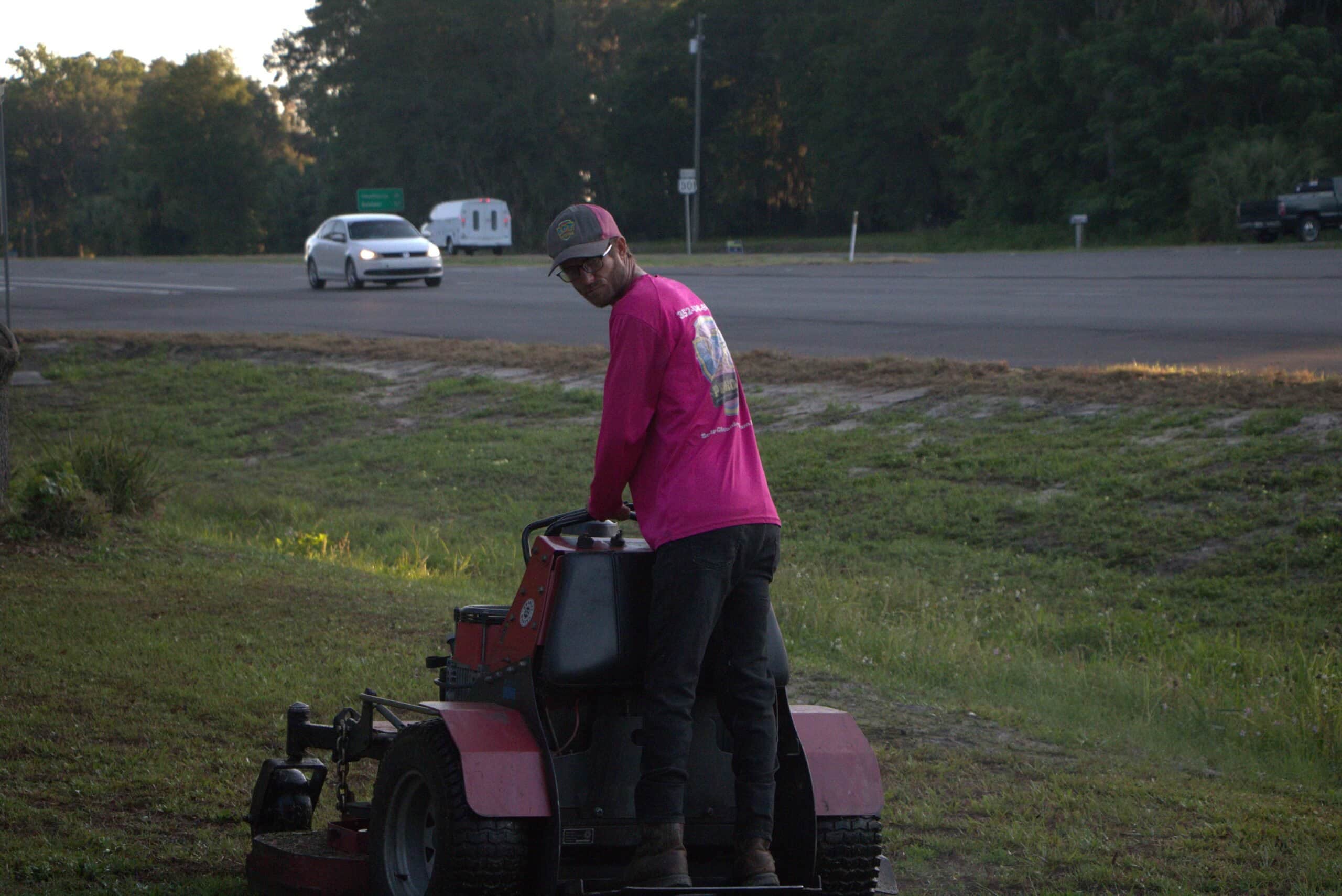
Discover how to maintain a beautiful
If you want to achieve a picture-perfect, “carpet-green” yard in Central Florida during the brutal month of July, you must combine precision high-mowing, targeted micro-nutrient balancing, and strict early-morning irrigation. Standard weekend chores are not enough to combat extreme heat, aggressive fungal diseases, and destructive pests like Chinch bugs. True turf preservation requires professional Ocala lawn care strategies to protect your property’s value.
July brings a punishing set of environmental challenges. The combination of scorching afternoon temperatures, oppressive humidity, and sudden tropical downpours creates a high-stress environment. These conditions can transform a vibrant, healthy lawn into a patchy, brown wasteland virtually overnight.
Every property owner dreams of a thick blade structure that boosts curb appeal. This comprehensive guide breaks down the science of summer lawn preservation. You will learn exactly why trusting professional agronomic experts is the only definitive way to keep your grass thriving without sacrificing your summer weekends.
📌 Key Takeaways
-
Never scalp your grass: Keep St. Augustine grass at 3.5 to 4 inches tall to shade the root system.
-
Water early in the morning: Irrigate between 4:00 AM and 8:00 AM to prevent overnight fungal growth.
-
Avoid summer fertilizer burn: High-nitrogen fertilizers applied during a heatwave will scorch your turf.
-
Dull blades destroy lawns: Residential mowers tear grass blades, inviting moisture loss and disease.
-
Hire local experts: Professional turf management mitigates pests and strictly follows regional water mandates.
Table of Contents
-
Why July is Brutal on Marion County Soil
-
The Costly Pitfalls of DIY Summer Lawn Maintenance
-
The Crucial Pillars of Elite Turf Management
-
Precision Mowing: The Foundation of Lawn Health
-
Navigating Weather Patterns and Watering Rules
-
The Science of Summer Turf Varieties
-
Why Professional Management Protects Your Investment
-
Frequently Asked Questions (FAQ)
Quick Answer: Ocala sits on fast-draining, sandy soil that struggles to retain moisture. When July temperatures exceed 90°F, water evaporates rapidly, forcing grass roots into a dormant, defensive state where they cannot fight off weeds or diseases.
To understand why summer yard maintenance is so difficult, you must look beneath the surface at Marion County’s specific environmental profile. Ocala sits over a complex network of sandy soil variations, primarily composed of fast-draining Entisols.
While excellent for preventing flooding, this soil type struggles significantly to retain vital moisture and macro-nutrients. When afternoon temperatures soar past 90°F, evaporation rates spike dramatically. Moisture is pulled directly out of the topsoil before grass roots can absorb it.
📊 Data Point: According to agronomic research by the University of Florida IFAS Extension, July brings intense UV radiation that can cause the surface temperature of unshaded, thin soil to exceed 140°F.
Under these conditions, turfgrass root systems naturally enter a semi-dormant defensive state to conserve energy. If the turf is stressed further by improper care, it loses its ability to fight off opportunistic weeds and destructive fungal blights.
Quick Answer: DIY lawn care often involves underpowered mowers that shred grass and improper chemical applications that chemically burn the roots. One mistake during a heatwave can decimate a yard in days.
Many well-meaning property owners believe they can successfully tackle summer turf management as a DIY project. Unfortunately, lacking specialized residential Ocala lawn care knowledge frequently leads to catastrophic landscape failures.
The Danger of Inadequate Equipment
The primary danger of DIY maintenance is structural turf damage. Homeowners typically utilize standard, residential-grade walk-behind mowers. These lack the horsepower and precision of industrial machinery. When these mowers encounter thick, wet summer turf, they bog down, leading to an uneven, ragged cut that invites disease.
Chemical Application Disasters
Without advanced training, homeowners frequently apply the wrong fertilizer or weed control at the wrong time.
⚠️ Common Mistake: Applying high-nitrogen fertilizers during a July heatwave causes severe “fertilizer burn”. This chemically scorches the turf grass down to the root crown. Additionally, using standard herbicides when temperatures exceed 85°F will chemically shock and kill healthy grass alongside the weeds.
Quick Answer: Elite turf management treats your lawn as a living ecosystem. It requires an exact balance of micro-nutrient feeding, targeted weed suppression, proactive insect mitigation, and precision mechanical mowing.
Achieving that coveted, deep-green carpet look requires a holistic, multi-faceted strategy. Comprehensive Central Florida yard maintenance treats the lawn as a living, breathing ecosystem.
| Turf Threat | Visible Symptoms | Professional Solution |
| Heat Stress | Folded blades; gray/blue tint | Deep, infrequent early morning watering |
| Chinch Bugs | Expanding yellow/dead patches | Targeted systemic insecticide applications |
| Dollar Spot Fungus | Silver-dollar sized brown spots | Fungicide application and moisture management |
When a professional crew steps onto your property, they evaluate real-time health metrics. They look for early indicators of heat stress and identify localized pest infestations before they spread. This level of ongoing diagnostic attention is impossible to replicate with occasional weekend DIY attempts.
Quick Answer: Precision mowing means never scalping the turf and always using razor-sharp blades. Leaving the grass at 3.5 to 4 inches tall casts critical shade over the root zone, significantly reducing soil temperatures and water evaporation.
The single most influential factor in summer turf health is how the grass is cut. Precision mowing is a core technique utilized in high-end turf management to shade the soil and maximize photosynthesis.
The Danger of Scalping
During July, the golden rule of mowing is to never scalp the turf. Professionals strictly adhere to maintaining a minimum height of 3.5 to 4 inches for popular Florida varieties. Keeping the grass tall allows the leaf blades to cast vital shade over the underlying soil. Scalping strips away the plant’s food-producing structure and exposes delicate root crowns directly to the blistering sun.
💡 Expert Insight: “A dull mower blade doesn’t slice the grass; it tears it. This shredding leaves the tips white or brown, creating an open wound that bleeds moisture and invites deadly fungal spores inside.” — The Lot Patrols Agronomy Team
Professional teams utilize commercial-grade, razor-sharp blades. These are rotated and sharpened constantly to ensure clean, surgical cuts every single time.
Quick Answer: You must water your lawn between 4:00 AM and 8:00 AM to allow roots to absorb moisture before the sun evaporates it. Watering at night leaves grass wet, creating a breeding ground for destructive fungi.
July in Ocala brings daily cycles of intense morning sun followed by heavy afternoon thunderstorms. While beneficial, this rainwater creates extreme humidity. Navigating these dynamics requires strict adherence to regional watering guidelines.
Mandatory Irrigation Schedules
According to water conservation mandates outlined by the St. Johns River Water Management District, residential properties in Marion County must follow specific schedules. During summer, watering is strictly limited to a maximum of two designated days per week based on your home address. It must only occur before 10:00 AM or after 4:00 PM.
✅ Quick Tip: Seasoned lawn care specialists advise watering only in the early morning hours, ideally between 4:00 AM and 8:00 AM. This prevents rapid evaporation and stops overnight fungal spread.
Watering in the late evening leaves grass blades wet all night. This creates the perfect microclimate for devastating fungal pathogens like Take-All Root Rot and Large Patch to destroy your yard.
Quick Answer: Different grasses require customized care. St. Augustine is highly prone to Chinch bugs, Zoysia requires ultra-sharp blades to cut its fibrous leaves, and Bahia grows rapidly, requiring heavy-duty, frequent mowing to control tall seed heads.
Different types of grass require drastically different maintenance approaches. Choosing tailored care ensures your specific grass type receives exactly what it needs to survive midsummer.
St. Augustine (Floratam / Palmetto)
This is the most common grass type found in Ocala neighborhoods. It creates a dense, beautiful look but is highly susceptible to Southern Chinch Bug infestations in July. These tiny pests suck sap directly from the blades. DIYers often misdiagnose this yellowing as drought stress, leading to overwatering and severe rot.
Zoysia (Empire)
Known for its luxurious feel and traffic tolerance, Zoysia grass requires highly specialized maintenance. It must be cut with incredibly sharp commercial blades. Its tough, fibrous leaf structure easily chokes residential mowers, leading to shredded tips.
Bahia
Frequently used on larger acreage around Marion County, Bahia is incredibly resilient against drought. However, during July, it grows at an explosive rate. It continuously sends up tall, unsightly, Y-shaped seed heads that standard DIY equipment cannot handle efficiently.

Quick Answer: Hiring professionals is far more cost-effective than buying commercial-grade equipment, premium chemicals, and risking irreversible turf damage. It also eliminates the severe physical risk of heatstroke from working in 95°F weather.
The temptation to save money by managing your lawn yourself can be strong, but the financial reality is different.
When you add up the costs of high-end fertilizers, selective herbicides, mower maintenance, and fuel, the DIY route becomes an inefficient burden. Furthermore, working outdoors in extreme Florida summer humidity poses a genuine medical risk of heat exhaustion for individuals unaccustomed to heavy physical labor.
If you are a business owner managing a larger property, securing commercial landscaping solutions guarantees that every treatment is executed safely, legally, and with absolute scientific precision.
How often should I water my Ocala lawn in July?
According to Marion County water restrictions, you should water your lawn a maximum of two days per week. The most effective time to irrigate is in the early morning between 4:00 AM and 8:00 AM to minimize evaporation and prevent nighttime fungal diseases.
What is the best mowing height for St. Augustine grass?
The optimal mowing height for St. Augustine grass during the summer is between 3.5 and 4 inches. Leaving the grass blades at this height casts essential shade over the soil, keeping the root system cool and dramatically reducing soil moisture loss.
Why is my green lawn turning brown in the summer?
A lawn turning brown in the summer could be due to several factors, including severe heat stress, dull mower blades shredding the grass tips, improper fertilizer applications causing chemical burns, or an active Southern Chinch bug infestation sucking the sap from the blades.
Can I apply fertilizer during a Central Florida heatwave?
You should never apply high-nitrogen fertilizers to your lawn during a Central Florida heatwave. When temperatures exceed 90°F, applying standard fertilizers can chemically burn the grass crowns, leading to severe root damage and widespread turf death.
How much does professional Ocala lawn care cost?
The cost of professional lawn care in Ocala depends on the total square footage of your property, your specific turf variety, and the customized agronomic treatments required. Investing in professional care prevents thousands of dollars in irreversible turf damage and equipment replacement.
Experience the Royal Treatment with Lot Patrols
When you partner with dedicated professionals for your property management, you completely bypass the exhausting, stressful guesswork of summer yard maintenance. Our highly trained, fully licensed crews bring elite commercial standards directly to your landscape, ensuring you never have to spend another Saturday sweating over a broken mower.
To secure a vibrant, healthy lawn this July, follow these next steps:
-
Verify your correct watering days with local county guidelines.
-
Inspect your lawn closely for signs of yellowing or pest damage.
-
Schedule a comprehensive turf evaluation to lock in your maintenance plan.
Our comprehensive approach integrates precision mowing, sharp edging, and targeted treatments designed to keep your outdoor spaces lush and stunning all summer long. Contact Lot Patrols today to upgrade your property value with our premium turf management services!